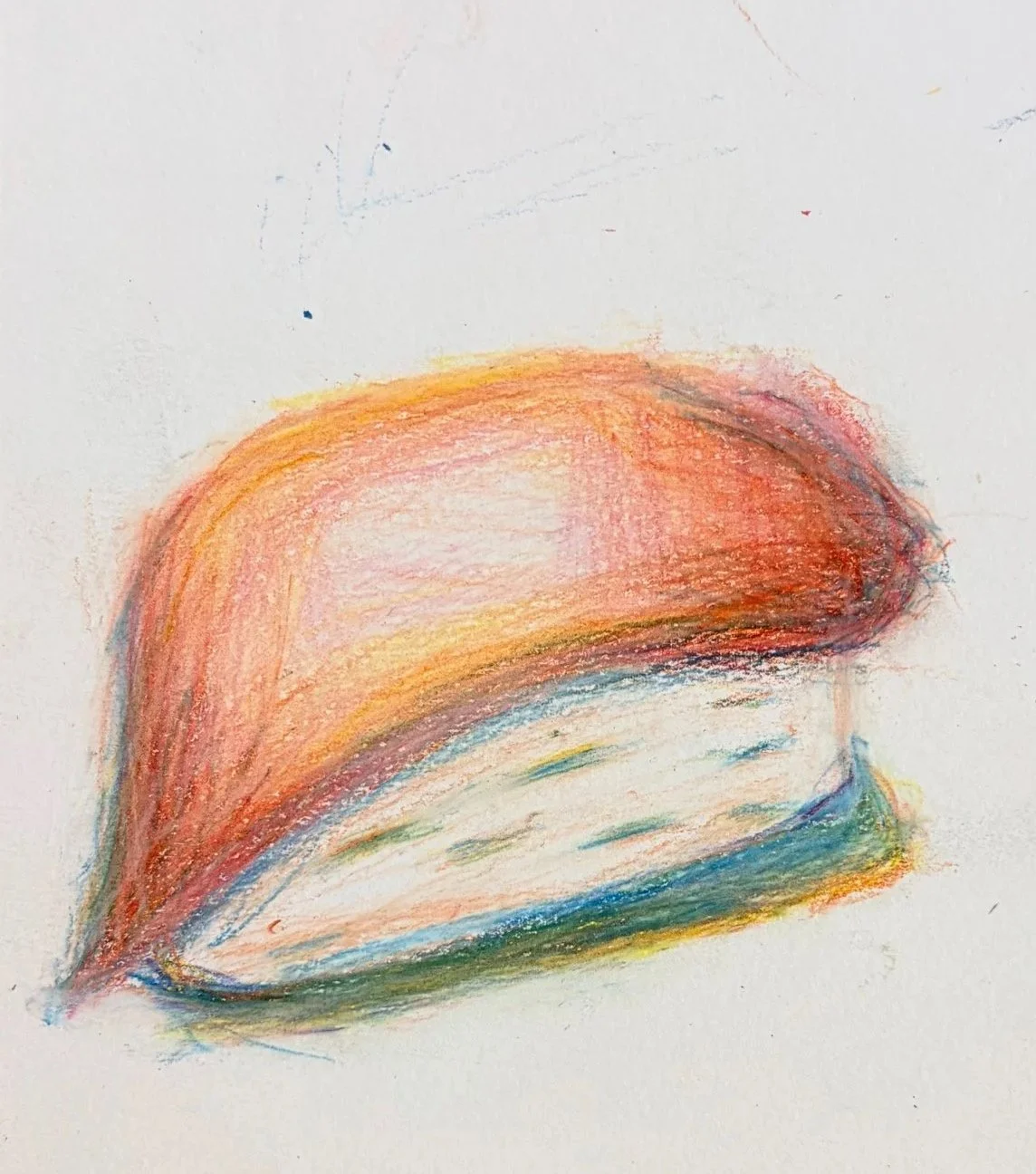
My Teaching Philosophy
I believe art education should provide students with a space to explore ideas, take creative risks, and express who they are. In my classroom, art is not about perfection but about observation, experimentation, and growth. I want students to see themselves as artists rather than simply students completing assignments. Through a variety of art processes, students learn to look closely at the world around them and translate what they see and think into visual form.
My own studio practice informs my teaching. As an artist, I often work from fragments of imagery such as cropped bodies, landscapes, or scenes from everyday life, and return to the same images through repetition and careful observation. This practice of looking closely and revisiting ideas guides how I teach students to approach their work. I encourage them to slow down, observe details, and understand that strong artwork develops through layering, revision, and thoughtful decision-making.
I see the purpose of art education as helping students develop visual literacy, critical thinking, and confidence in their creative voice. I frequently use questioning strategies inspired by the Socratic method to guide discussions about artwork. Rather than providing immediate answers, I ask open-ended questions such as “What do you notice?” or “Why do you think the artist made that choice?” These conversations help students analyze visual information, reflect on their own work, and learn from the perspectives of their peers.
Assessment in my classroom is ongoing and reflective. I use formative strategies such as exit slips, peer critiques, and one-on-one conferences during work time to understand students’ thinking and provide feedback. Summative assessments include rubrics that emphasize idea development, risk-taking, craftsmanship, and reflection rather than focusing solely on the final product. Students complete written or recorded reflections to communicate their intentions and evaluate their artistic growth.
I strive to build a classroom culture grounded in respect, curiosity, and collaboration. Students are encouraged to draw from their own identities, cultures, and experiences in their work, and I introduce artists from a wide range of backgrounds and perspectives so students can see themselves reflected in the art we study. I want my classroom to be a place where students feel comfortable sharing ideas, asking questions, and taking creative risks.
Finally, I am committed to ongoing professional growth. I seek feedback from mentor teachers, professors and classmates. I collaborate with colleagues, attend professional development opportunities, and maintain my own studio practice. Continuing to work as an artist helps me remain empathetic to the creative process and ensures that my teaching stays thoughtful, reflective, and connected to contemporary art practices.
Saturday Art School at Pratt Institute
Drawing and Painting (ages 11-14)
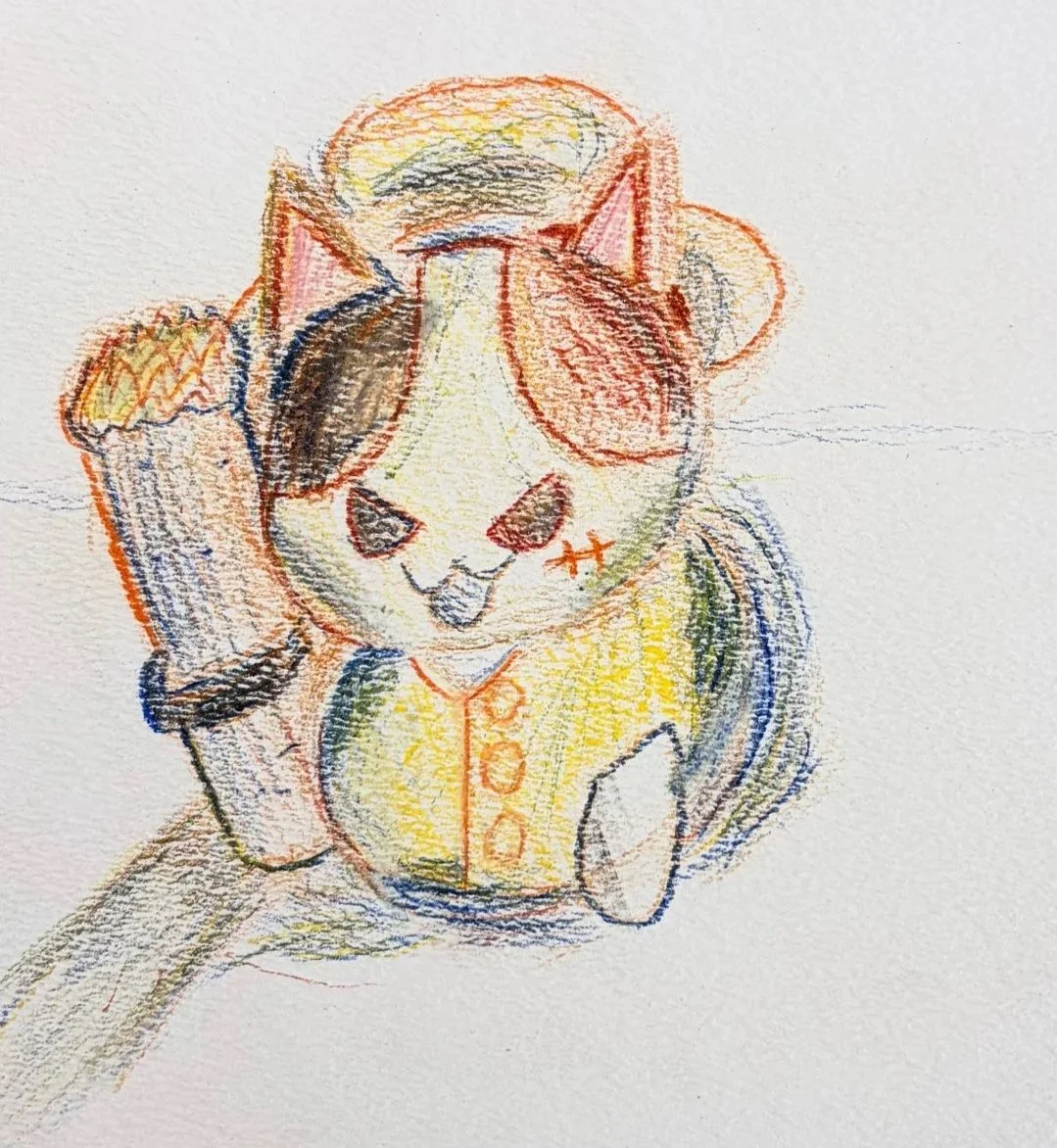
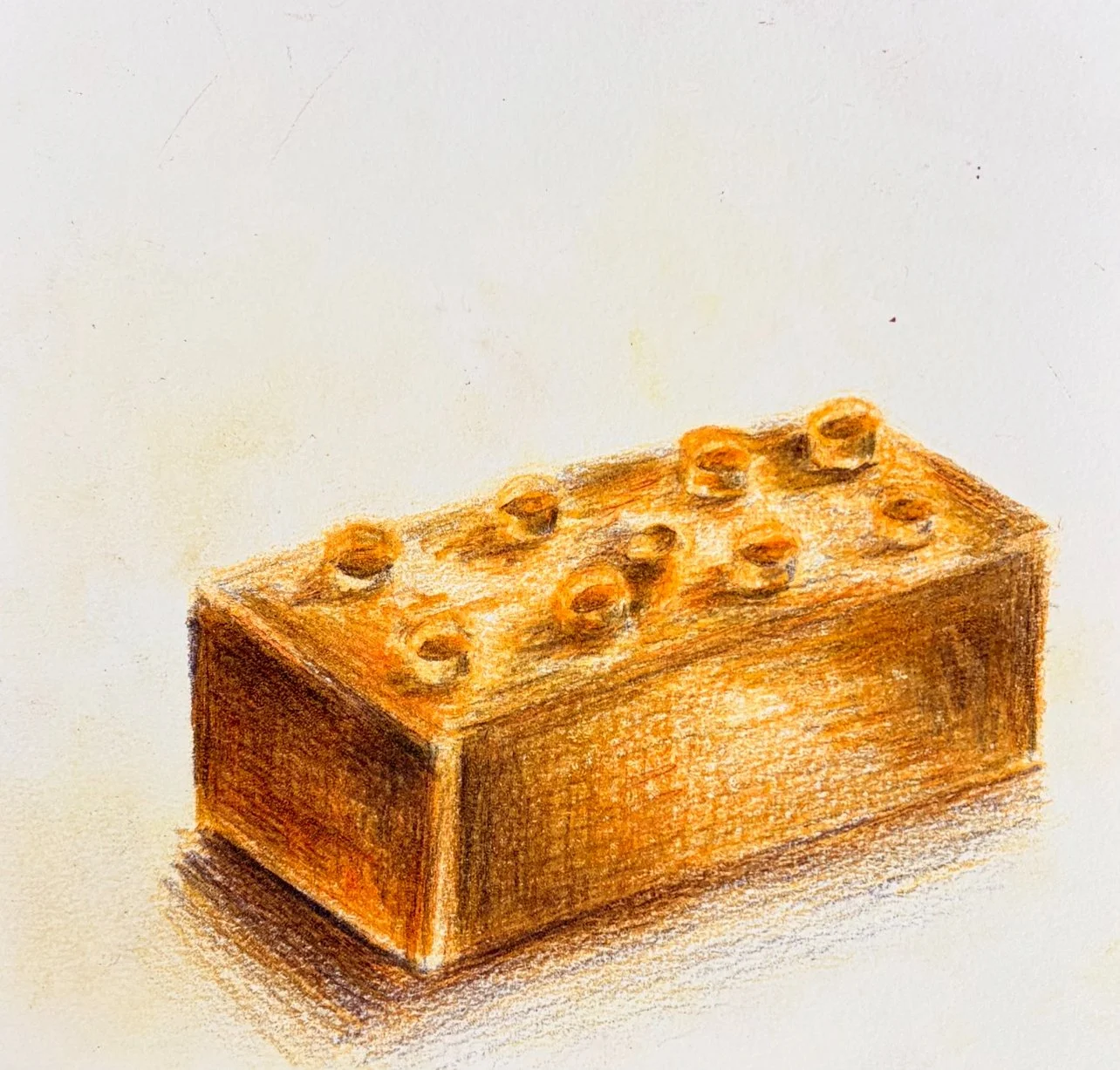
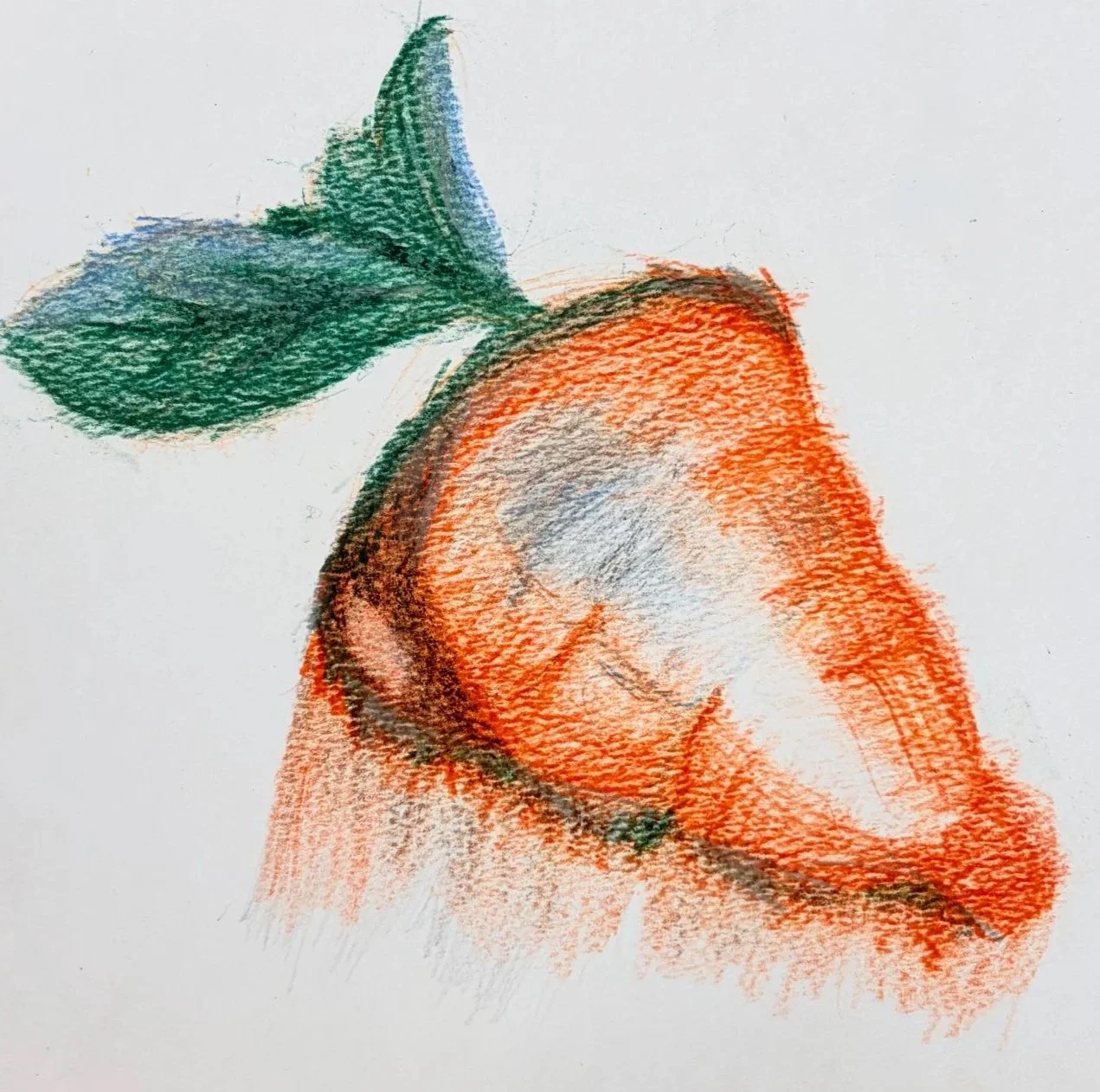
In this colored pencil still life project, students created observational drawings of objects that held personal significance. Working on mixed media paper, they practiced close looking to carefully study and represent shape, color, texture, and detail. Students began by exploring composition through thumbnail sketches, then developed a final drawing using a monochromatic underdrawing to establish value and form. They built up color using colored pencil techniques such as layering, blending, and hatching, allowing them to create depth and richness in their work. Through this project, students strengthened both their technical skills and their understanding of how artists use composition, color, and form to communicate meaning.
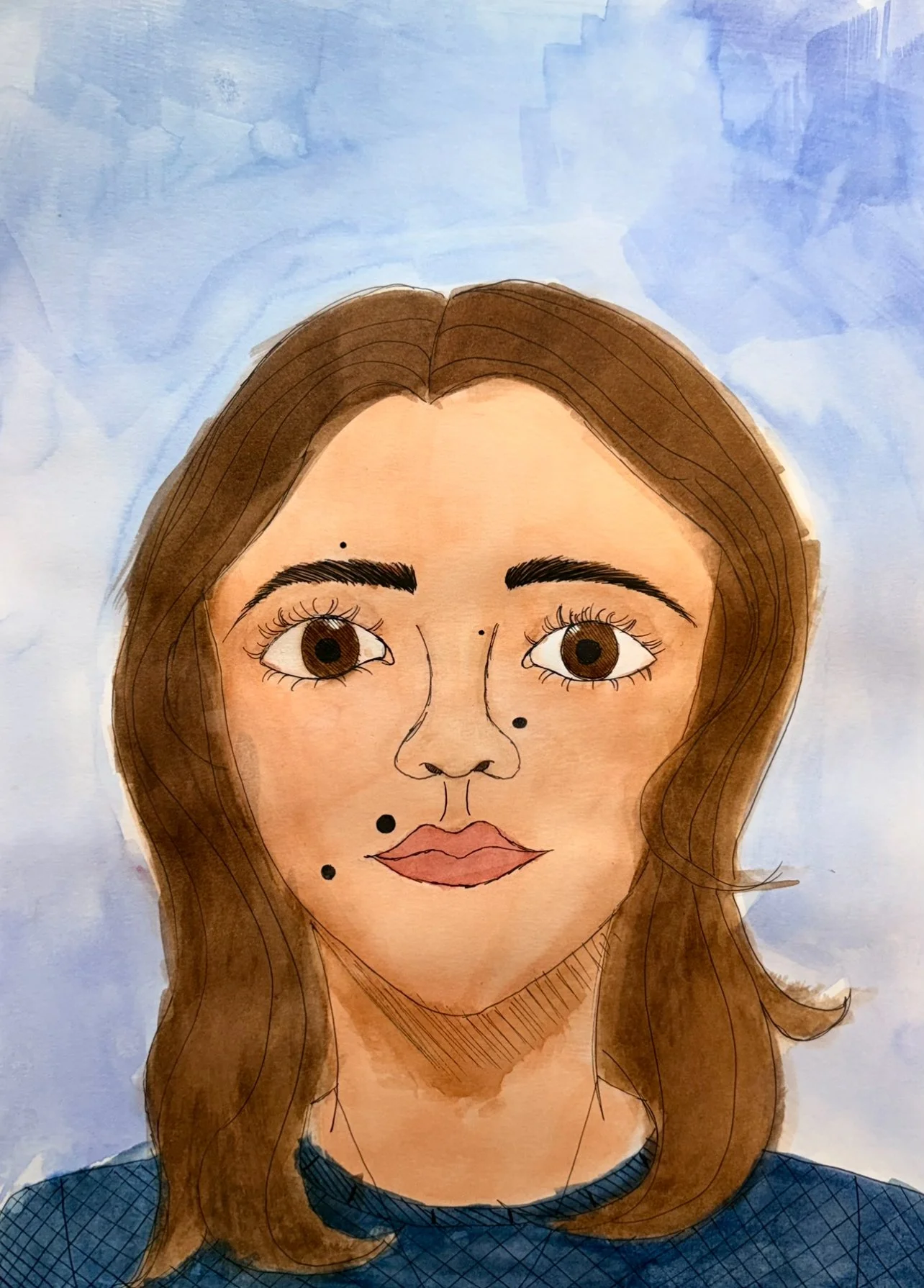
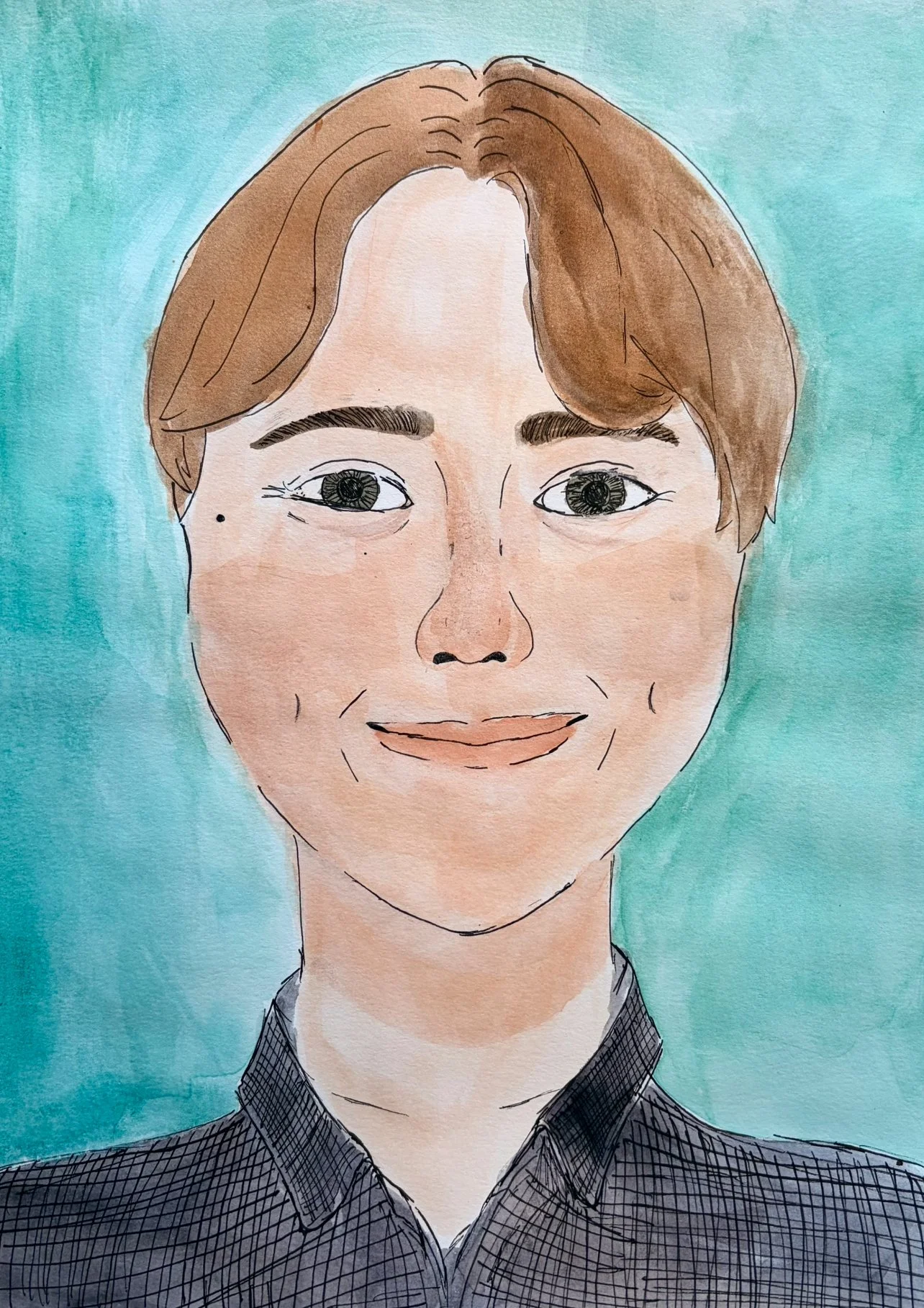
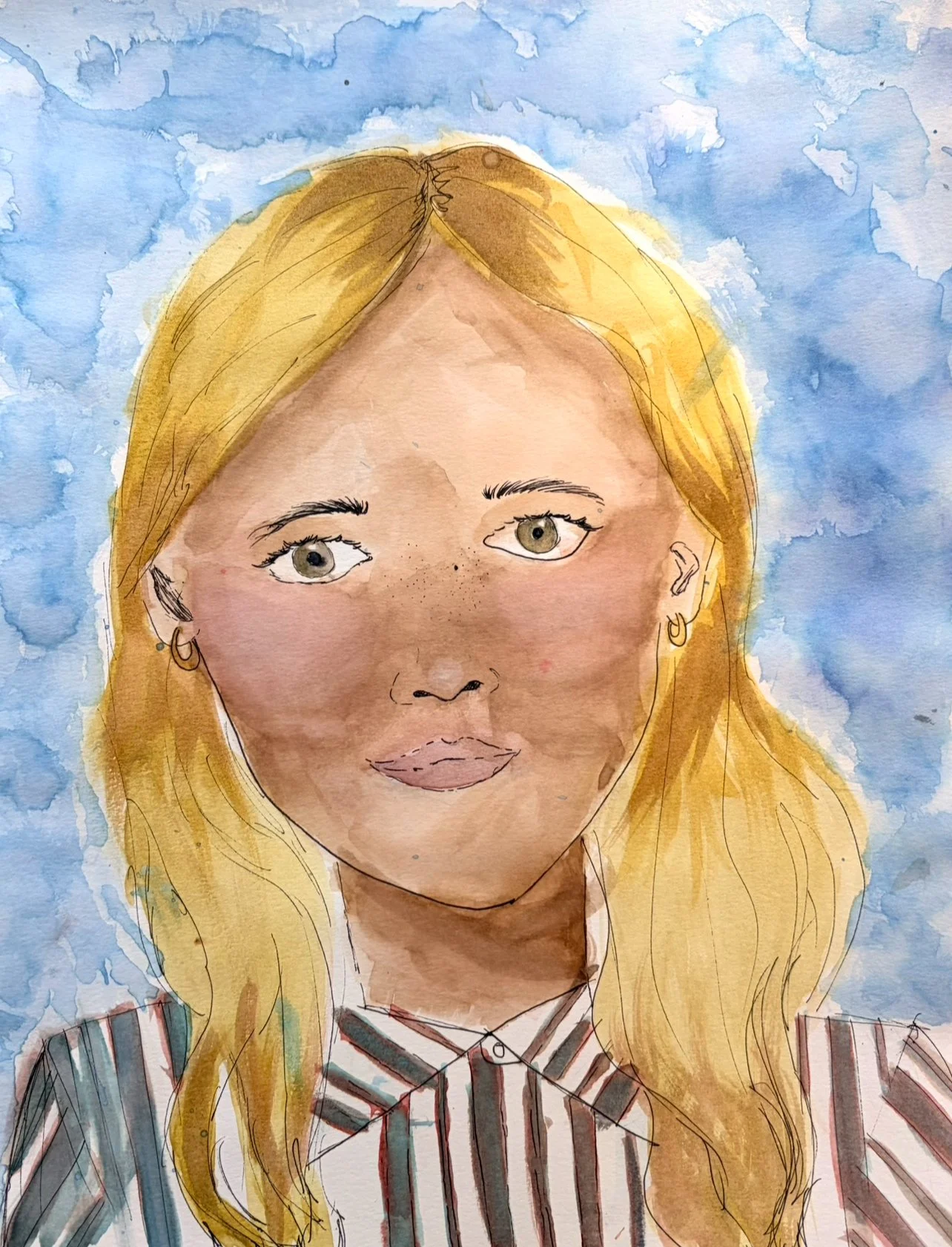

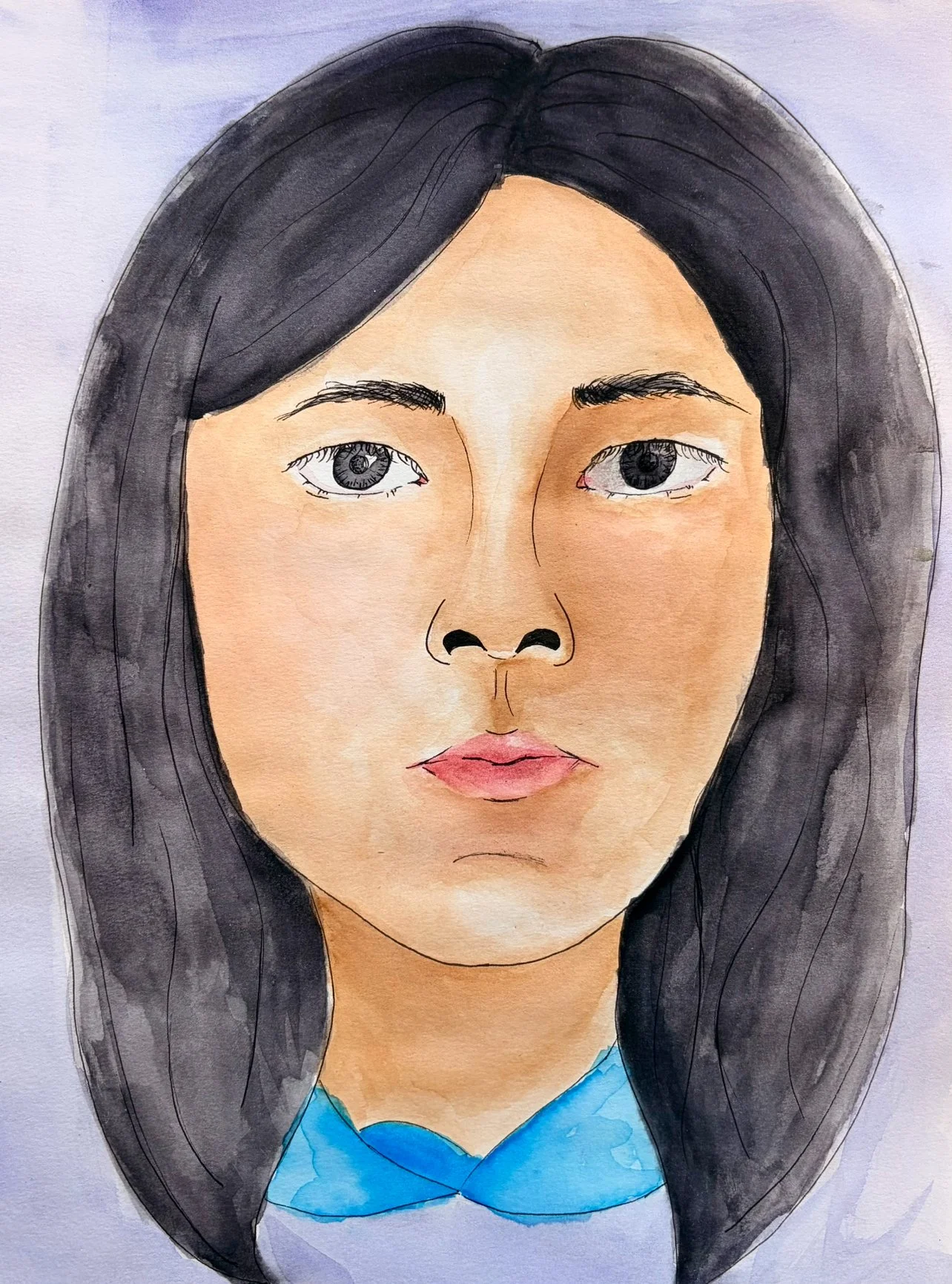
In this mixed media self-portrait project, students explored how line, texture, color, and value can be combined to create a unified representation of themselves. Using Micron pen and watercolor, they developed expressive self-portraits based on close observation in a mirror. Students began with thumbnail sketches and contour drawing exercises to study facial structure and expression. They then refined a final line drawing using Micron pen, experimenting with techniques such as stippling and cross-hatching. Finally, students applied watercolor techniques like wet-on-wet and dry brush to add color and atmosphere, selecting a background approach that completed and unified their composition.
P.S. 238 Anne Sullivan School
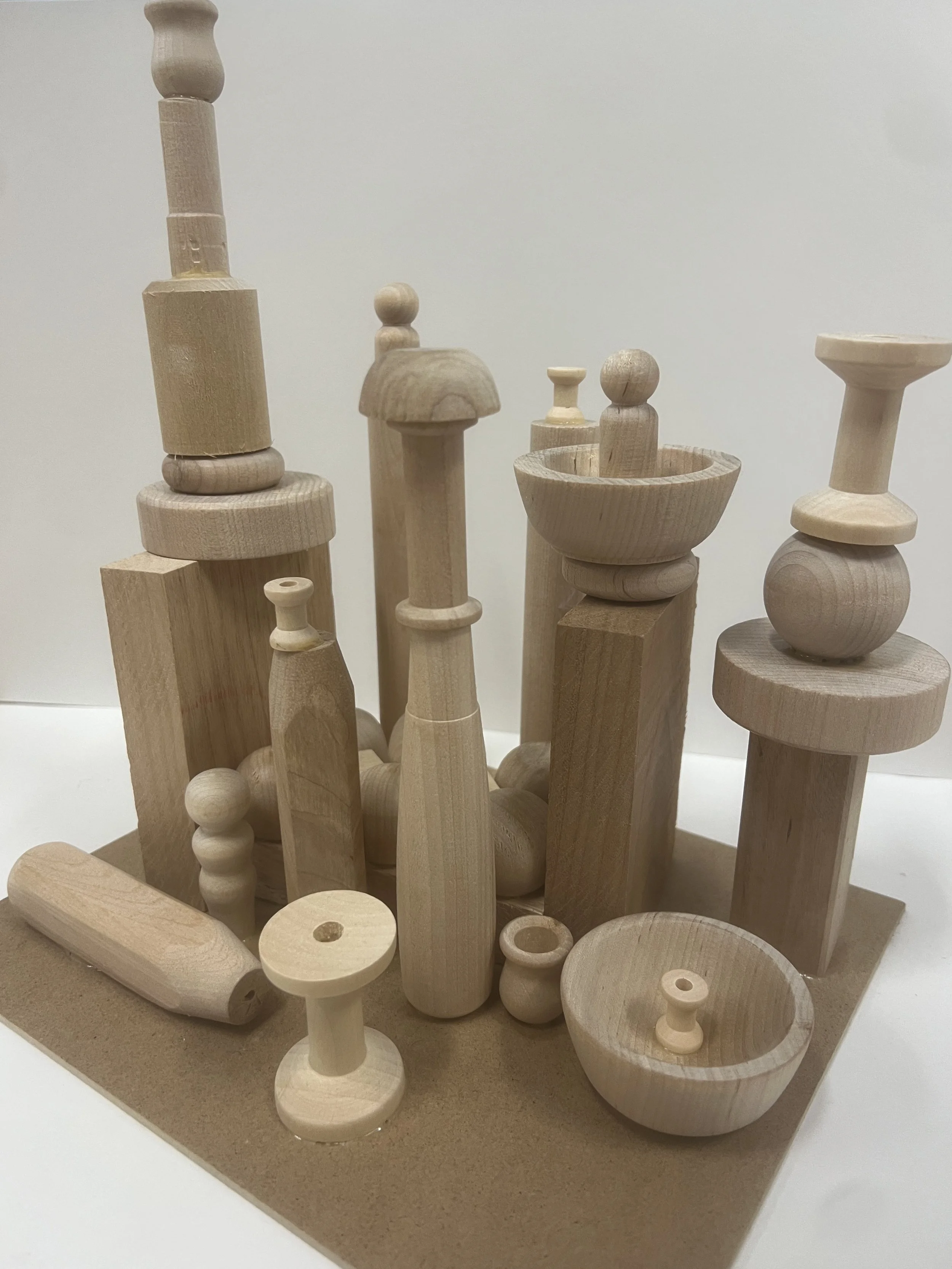
Kindergarten
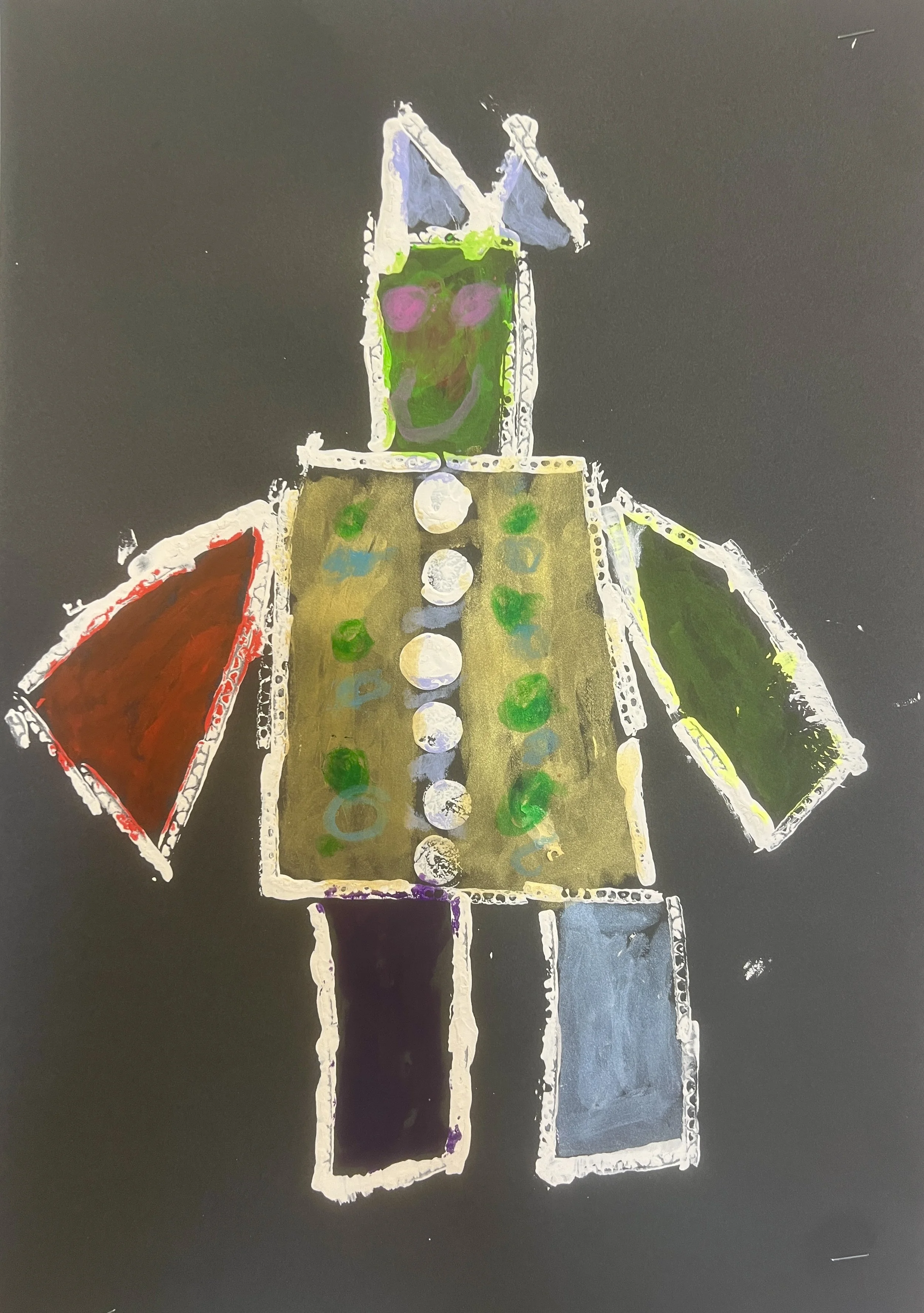
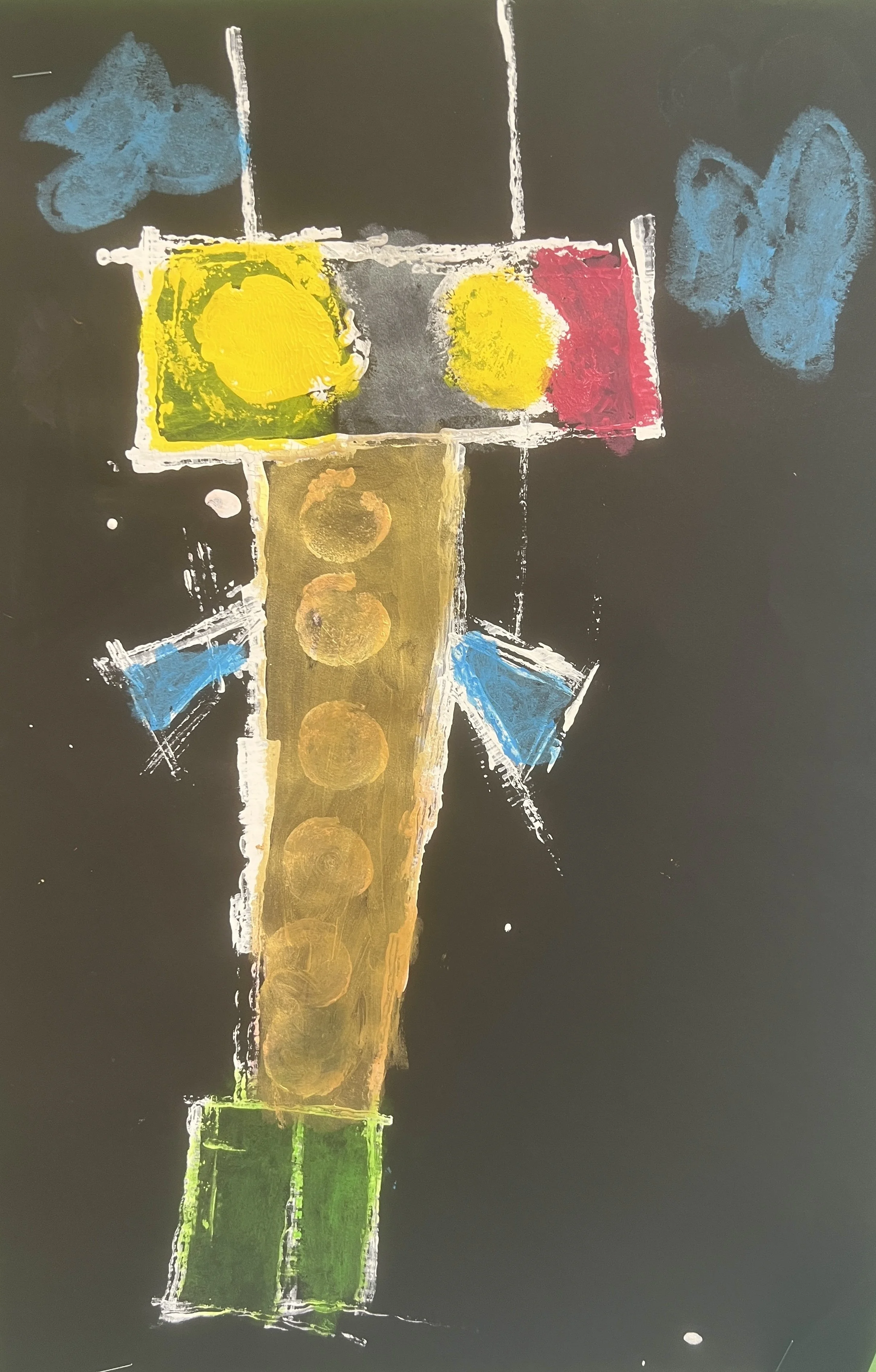
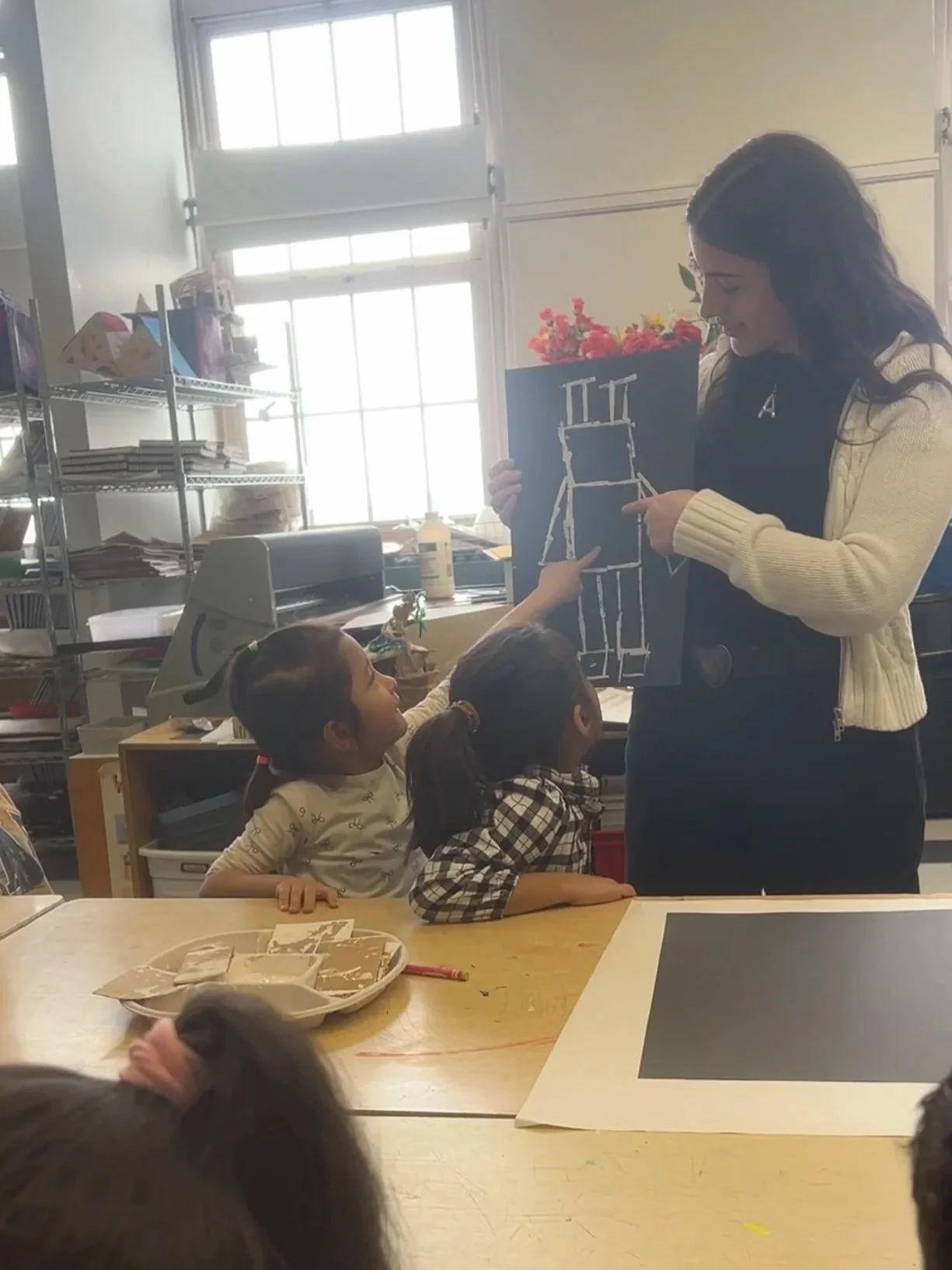
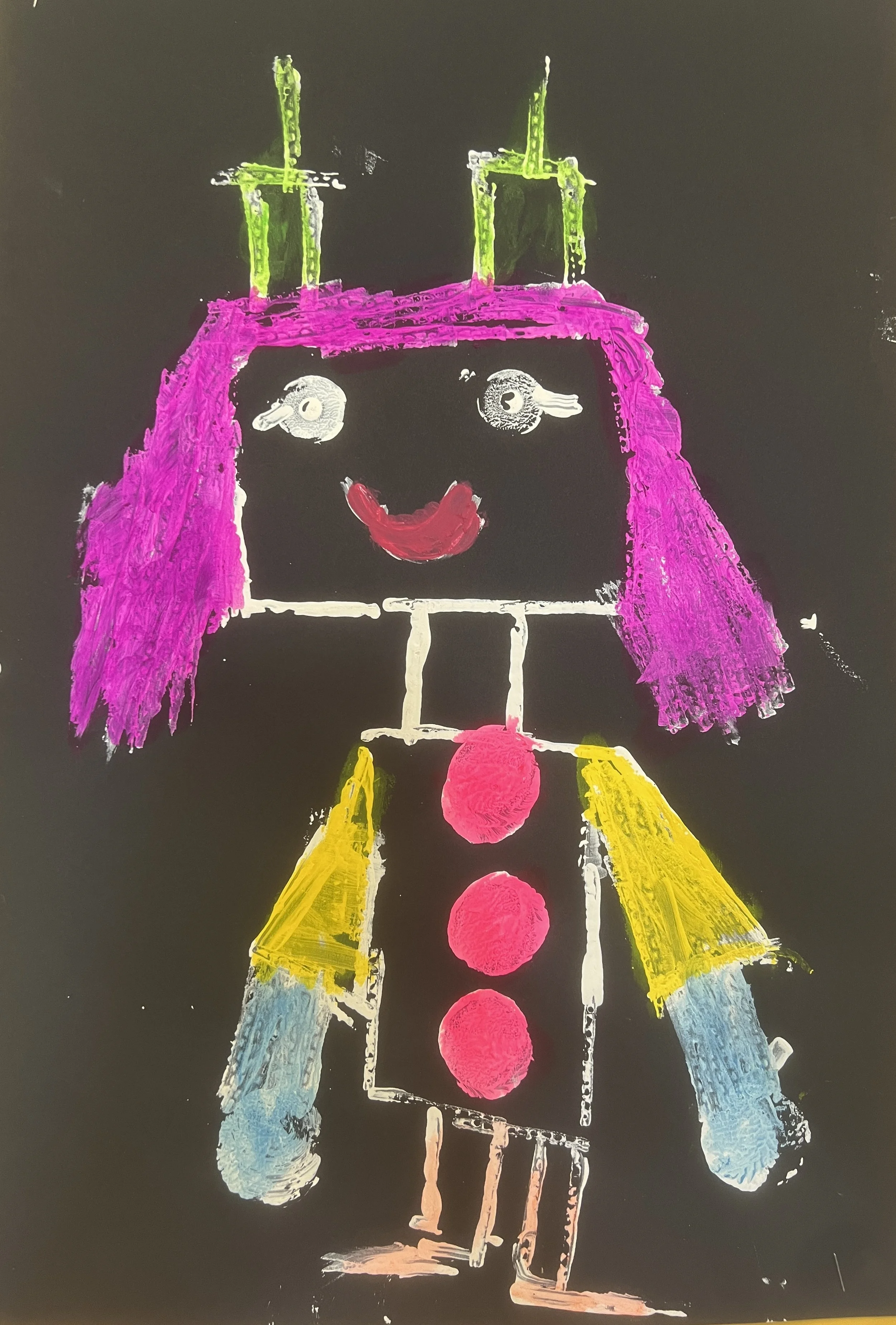
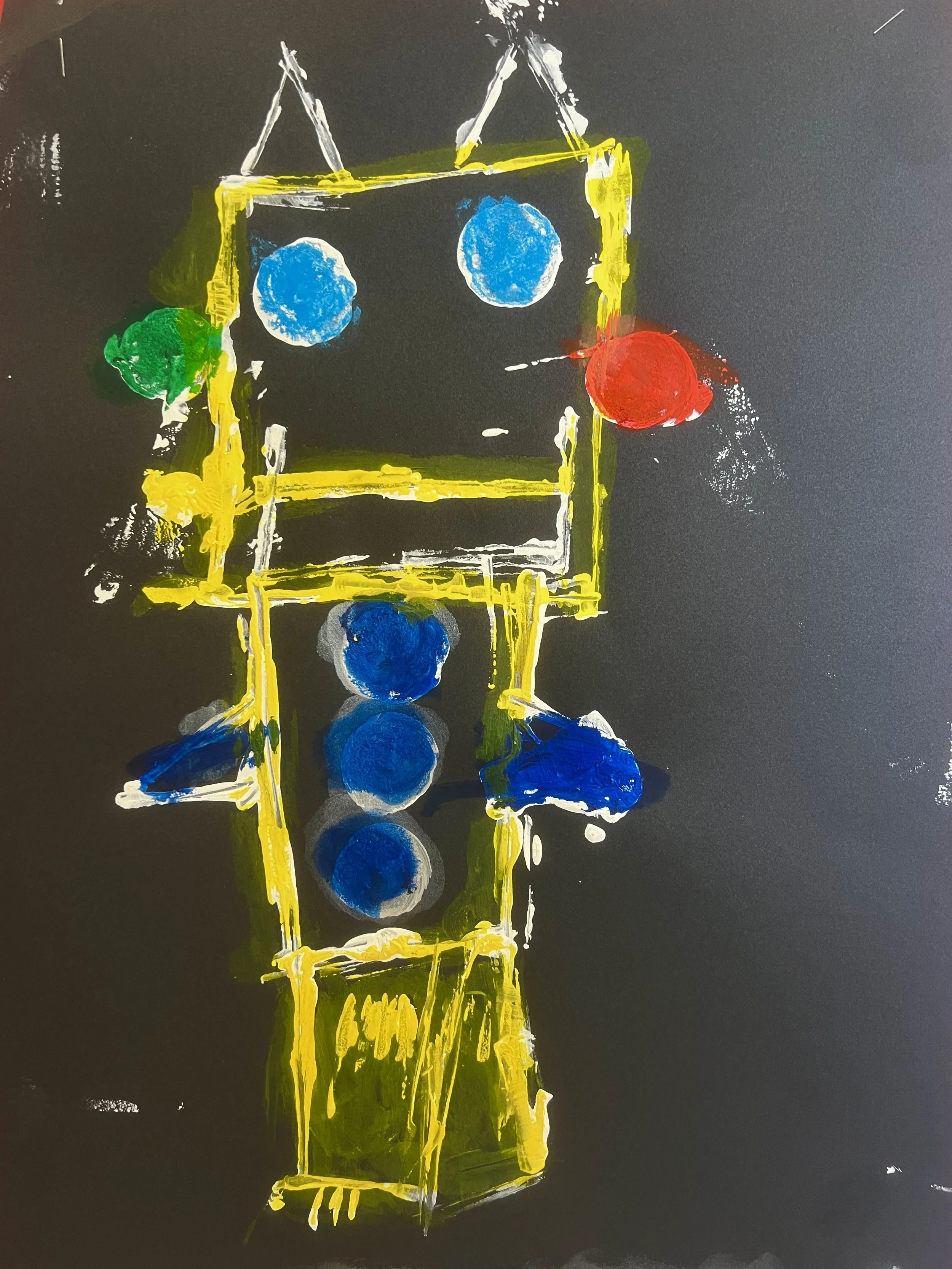
In this kindergarten printmaking lesson, students created robot images using basic shapes, exploring how simple forms can be combined to build more complex designs. Using cardboard shapes as printing tools, they experimented with materials in different ways to create repeated forms and patterns. Students were encouraged to make individual choices, including the shapes they used, how they arranged them, and the designs they created. The lesson emphasized the creative process and supported a range of abilities, allowing students to express their ideas visually. Afterwards, students used tempera paint sticks to add color, enhancing their designs and further personalizing their robot creations.
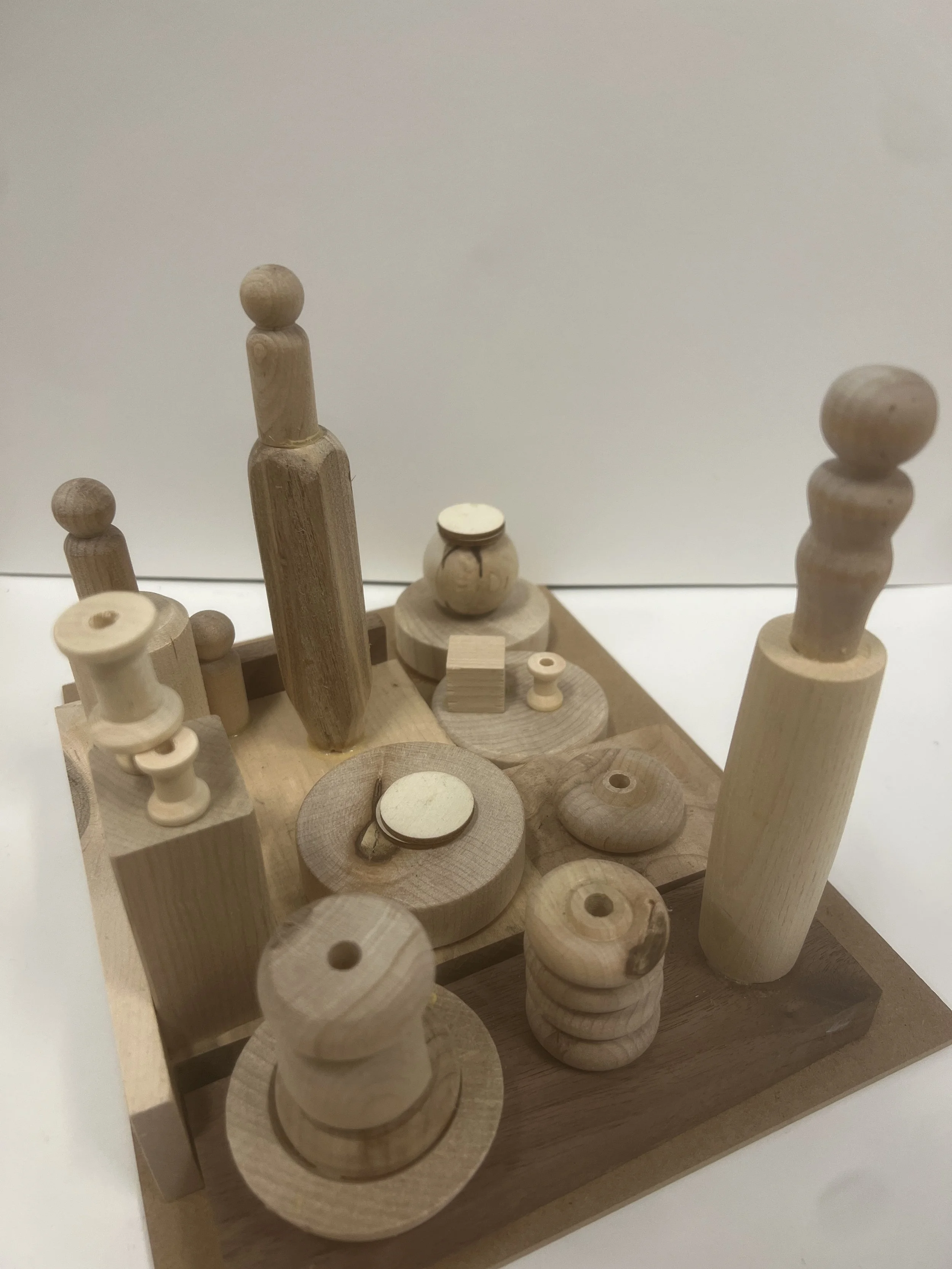
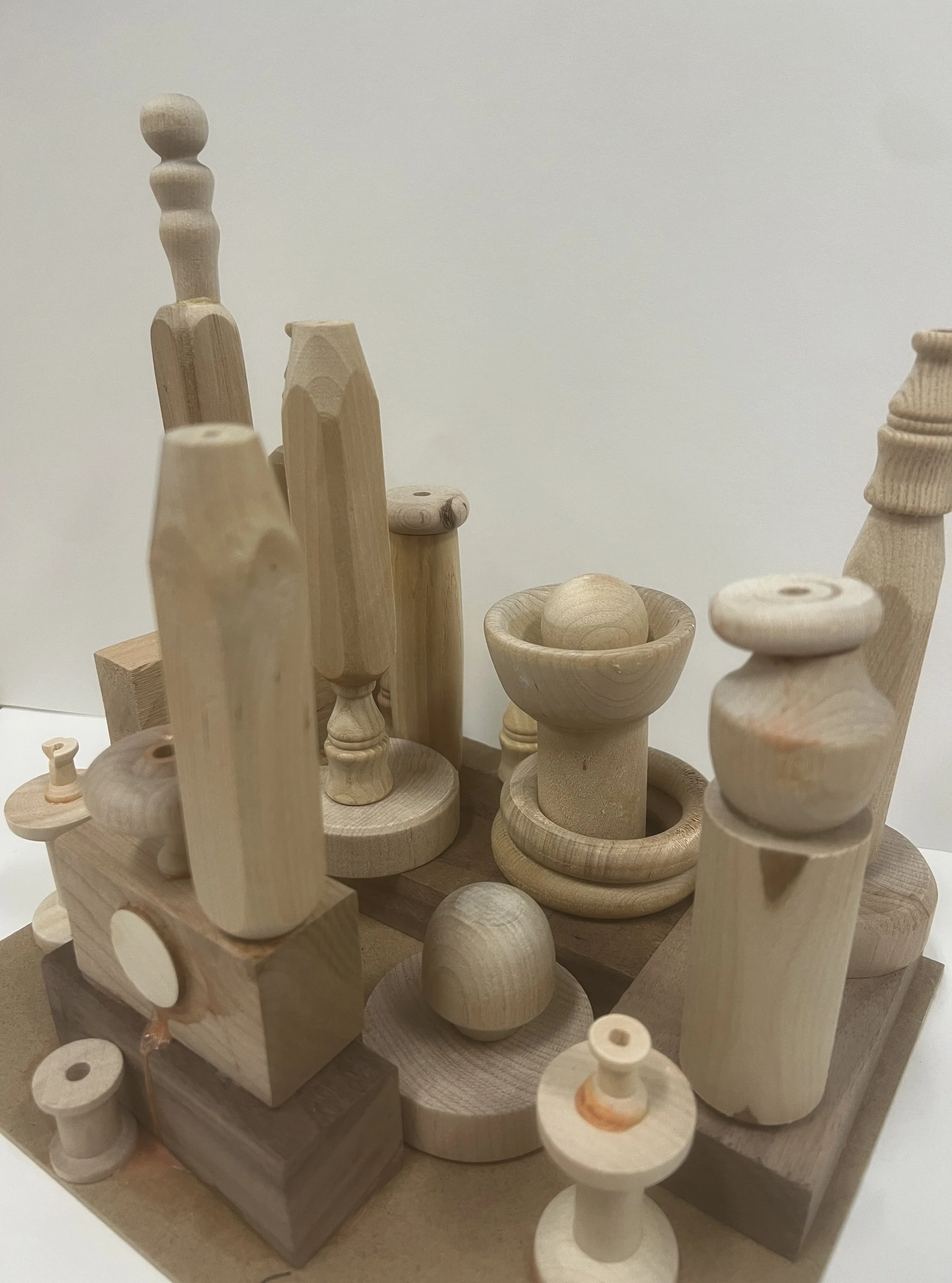
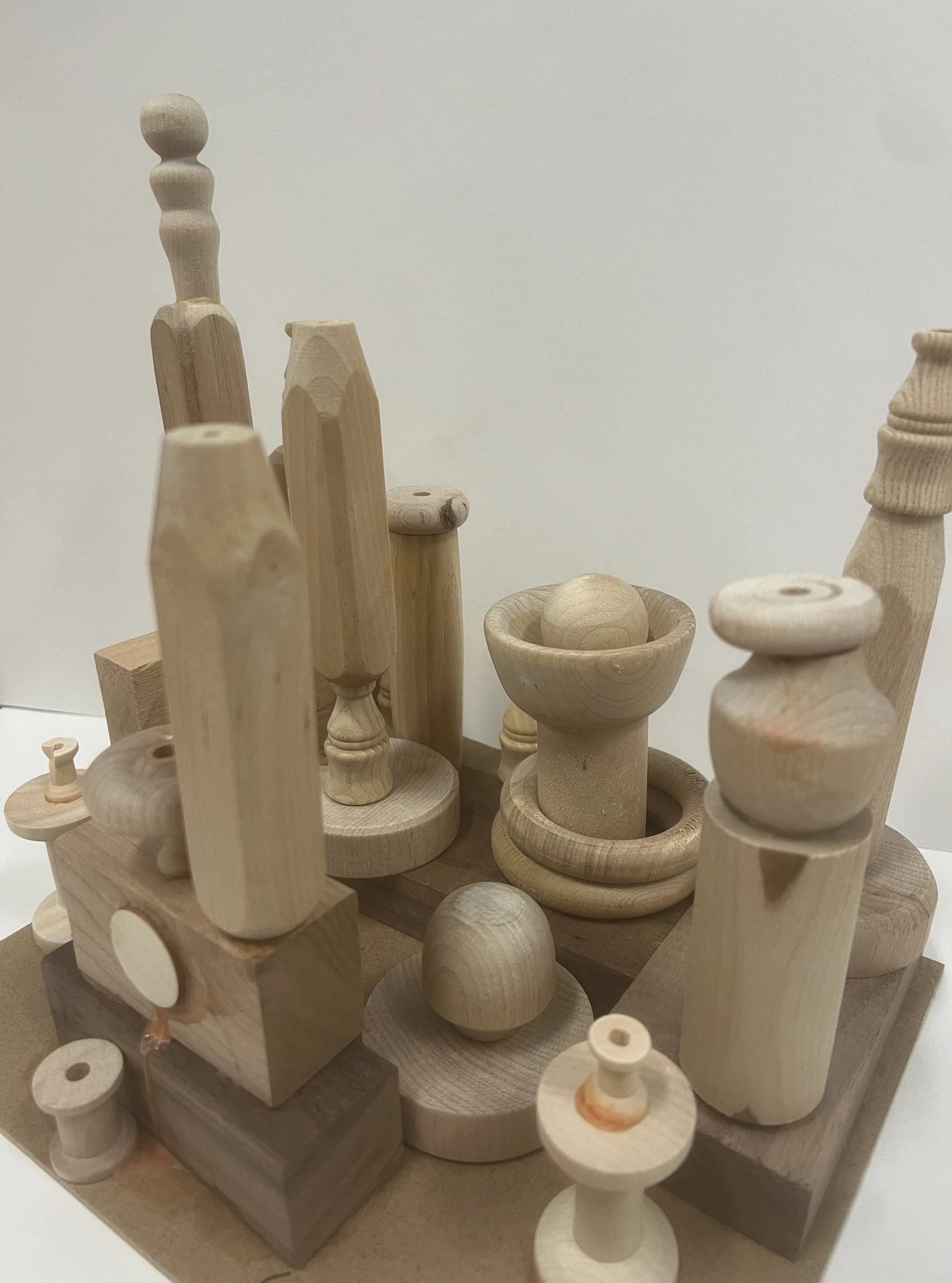
In this sculpture lesson, students explored how three-dimensional forms can be constructed using wooden blocks of various shapes and sizes. Working on a wooden base, they investigated how different arrangements affect balance, stability, and structure. Students drew on their prior experiences with building and stacking to inform their approach, while making individual choices about how to combine and position materials. Through this process, they developed an understanding of how artists make intentional decisions when creating 3D forms. The open-ended nature of the project encouraged experimentation and problem-solving, allowing each student to create a unique sculpture based on their own ideas.